
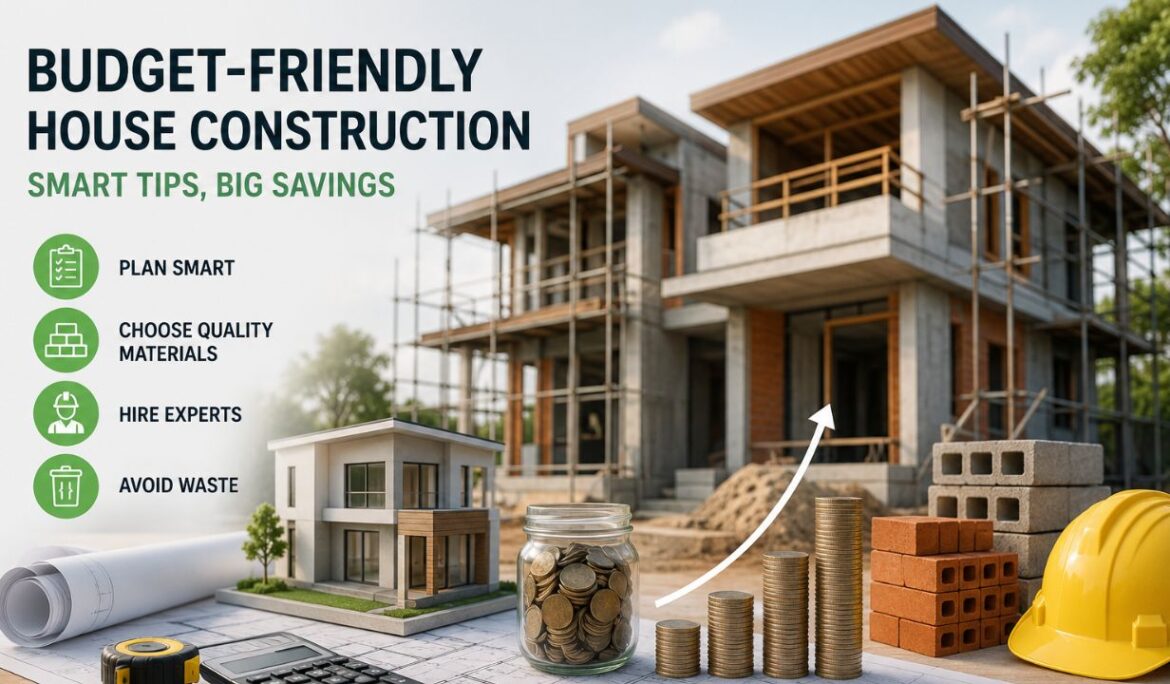
Though it is a great achievement to build your ideal house, growing building expenses can soon strain your finances. Fortunately, thorough preparation and wise choices will enable you to lower costs without compromising quality or longevity. The following affordable methods will make a big difference whether you are building a 5 Marla, 10 Marla, or 1 Kanal house.
Start with a Sensible Budget
Before work starts, decide how much you can afford. List costs for utilities, permits, labor, construction materials, land preparation, and a contingency fund for unanticipated expenses. Keeping to a strict budget prevents overspending.
Select a Useful Home Plan
Often, a basic and practical layout is less expensive than a complicated one. Compared to houses with several corners, curves, or sophisticated architectural aspects, square or rectangular floor plans often need fewer materials and less labor.
Collaborating with a seasoned architect will enable you to design a lovely house that stays within your financial limits.
Choose Quality Materials at Reasonable Costs
Choosing the least expensive supplies could cause future maintenance costs to rise. Rather, review pricing from several vendors and select dependable materials providing the best value for your money.
Always, if at all feasible:
- Buy things in large quantities.
- Profit on seasonal specials.
- Purchase straight from manufacturers or approved dealers.
Phased Construction Planning
If your budget is constrained, consider building your house in phases. First, complete the basic framework; then finish other aspects as funds allow, such as additional rooms, décor elements, or gardening.
This method helps you move into your house sooner and relieves economic stress.
Engage Experienced Specialists.
Though at first more expensive, a good builder can help reduce material waste, minimize construction mistakes, and complete the project on schedule, thereby saving costs.
Before recruitment:
- Check past work.
- Review references.
- Ask for exact quotes.
- Create a written agreement specifying costs and timelines.
Cut Material Waste
Bad planning sometimes causes needless waste. Appropriate storage of cement, steel, bricks, and other materials helps protect them from damage and theft.
Regular site inspections also help to guarantee that materials are handled effectively.
Invest in Energy-Efficient Properties
Though some energy-saving measures demand a little more initial commitment, they lower utility costs over the long run.
Think about the setting:
- LED illumination
- Energy-conserving windows
- Roof insulation
- If your budget allows, solar panels
- Water-saving amenities
These changes could help to reduce monthly costs for years to come.
Check Labor and Material Expenses
Prices of building materials may vary widely among suppliers and contractors. Before deciding, gather multiple quotes and weigh quality against price rather than just accepting the lowest bid.
A balanced approach usually produces higher long-term value.
Regular Monitoring of the Project
Regular site inspections help to spot issues early and maintain the project timetable. Staying engaged also helps the contractor keep to the agreed-upon standards and cost.
Good communication between designers, contractors, and homeowners helps prevent expensive mistakes.
Steer Clear of Pointless Design Changes
Changing the building standards or floor plan once work has begun will raise material and labor costs. Before construction starts, finish your design to help reduce costs and delays.
Finally
Building a house on a budget means not sacrificing quality. A beautiful and strong house can be built by maintaining cost control through good planning, wise material choices, seasoned experts, and effective project management. Following these cost-effective house-building suggestions will help you be more ready to realize your ideal house free of needless financial stress.